Scientists at UCL and Great Ormond Street Hospital (GOSH) have developed a world-first gene therapy, BE-CAR7, using base-edited immune cells to fight T-cell acute lymphoblastic leukemia (T-ALL), a rare and aggressive blood cancer. Base editing is an advanced version of CRISPR that precisely changes single letters of DNA code without cutting the DNA, reducing the risk of chromosomal damage.
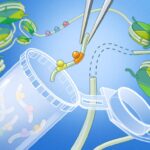
The therapy uses “universal” CAR T-cells engineered from healthy donor cells. Key base-editing steps included: removing receptors to make the cells “universal”; removing the CD7 flag to prevent “friendly-fire” self-destruction; removing the CD52 flag to resist strong antibody drugs; and adding a Chimeric Antigen Receptor (CAR) that targets the CD7 flag on leukemic T-cells.
The results of the clinical trial, published in the New England Journal of Medicine, include data from 10 patients (eight children and two adults). Key findings show that 82% of patients achieved very deep remissions, allowing them to proceed to a stem cell transplant, and 64% remain disease-free. Side effects were tolerable. The first patient, Alyssa, is now three years disease-free and off treatment, highlighting the therapy’s potential to provide hope for patients who do not respond to standard care.
Image credit: Unsplash/CC0 Public Domain (MedicalXpress)