
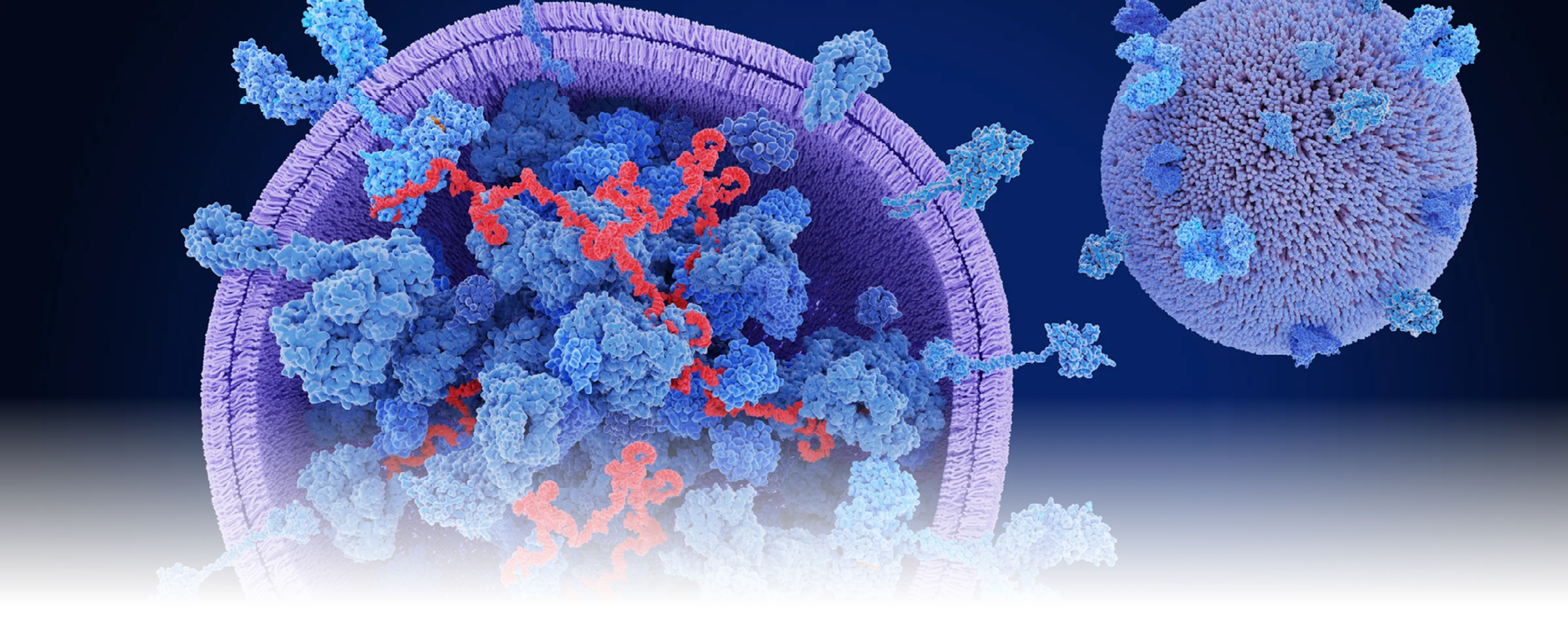
Cells use small extracellular vesicles (sEVs) to transfer cargo and chemical messengers to neighboring and distant cells. Ryosuke Kojima, a synthetic and chemical biologist at the University of Tokyo, previously explored sEVs as delivery vehicles for therapeutic products to target cells. During this work, Kojima realized that better understanding the regulation of EV production in cells could improve their use in biomedical applications. In a recent study published in Nature Communications, Kojima and his group reported a novel method to evaluate genes that are important in sEV regulation. This new screening approach, called CRISPR-assisted Individually Barcoded sEV-based release Regulator (CIBER), offers new insights into sEV biology and the potential to study differences between cell types in disease.
To create their barcoded system, the team fused an sEV surface marker with a deactivated nuclease (dCas9), which bound to guide RNAs (gRNAs), thereby encapsulating sEVs with the genetic material. By introducing Cas9 (active nuclease), which knocked out gRNA-targeted genes, to cells with this sEV barcoding construct, the researchers identified genes that regulated sEV production or release by measuring the change in the amount of sEV and sequencing the gRNA.
In one application, the team tested their system in a cancer cell line against a gene library that included drug targets and assessed its effect on sEV production. They identified genes that regulated sEV release from cancer cells, demonstrating the potential for CIBER as a screening method in cell-specific assays.
Image credit: © istock.com, selvanegra
______________________________________________________________________________________________________________
Article can be accessed on: The Scientist


