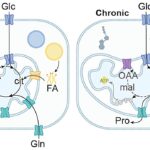
Researchers used a new spatial proteomic method to map protein localisation changes during viral infection.
Scientists from the Chan Zuckerberg Biohub, along with mass spectrometry platform leader Josh Elias have introduced an innovative mass spectrometry-based method to map the spatial organisation of proteins within cells. By applying molecular tags to proteins located in different sub-cellular regions and using whole organelle immunoprecipitation, they enriched specific compartments and analysed the proteins inside through mass spectrometry. Their research showed that during viral infection, certain proteins involved in ferroptosis, a form of programmed cell death relocate within the cell. Further investigation into alterations in protein localisation during infections and various pathological conditions may provide insights into the molecular mechanisms driving these diseases.
The momentum behind sub-cellular proteomics has been growing because cellular states are often determined by what proteins are present, who they are interacting with, and where they are in the cell. By enriching individual sub-cellular compartments, Elias and his team are able to generate a complex network of protein interactions.The primary objective is to determine the precise localisation of proteins and how these distributions change under different conditions.Our immuno-affinity–based approach offers significant advantages for mapping these spatial arrangements. Combined with mass spectrometry, this method enables the tracking of thousands of protein movements within a single experimental workflow.
Proteomics studies have historically focused on changes in protein abundance, largely because traditional methods cannot detect shifts in protein localisation. Elias and his team’s findings indicate that changes in protein localisation are critical rather than relying solely on protein synthesis or degradation, cells can relocate stored proteins to specific sites where they are functionally needed. This strategy allows for a rapid and efficient response to stimuli, such as during viral infection.
Image Credit:© iStock, sasha85ru (The Scientist)
By Niki Spahich, PhD
Article can be accessed on: The Scientist