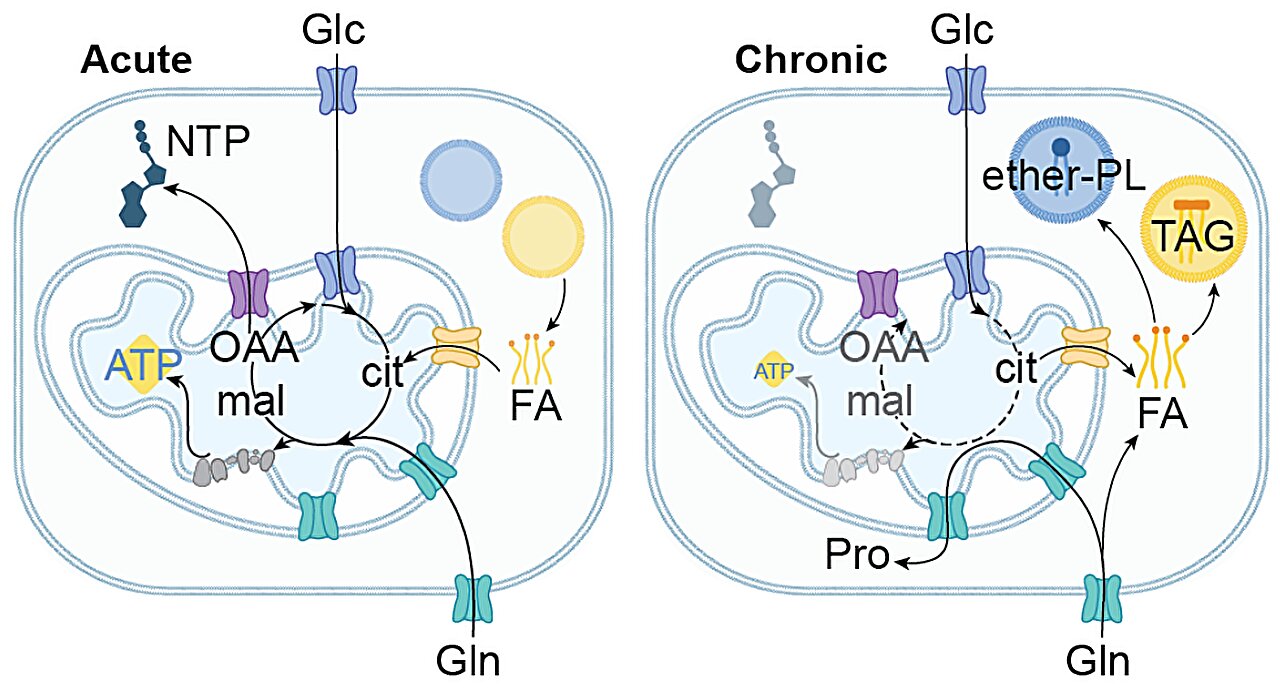
Researchers at Rockefeller University are developing new approaches to understand how changes in cancer metabolism alter protein function and influence tumour growth and metastasis. Cancer cells reprogramme their metabolism to support rapid growth and survive difficult conditions. Beyond supplying energy and molecular building blocks, metabolites can also regulate proteins and cellular signalling. However, the mechanisms through which metabolic changes affect protein function remain poorly understood.
Ekaterina V. Vinogradova and Kivanç Birsoy are combining expertise in cancer metabolism, organelle biology, chemical proteomics and mass spectrometry to investigate these processes. Their teams are creating tools that measure functional changes across thousands of proteins, including changes in chemically sensitive amino acids caused by oxidation, altered protein structures and interactions with metabolites. The researchers are building an atlas of how individual metabolites affect cysteine reactivity across the proteome. This reference could help distinguish whether protein changes in cancer cells are caused by oxidation, metabolite binding or other mechanisms.
Their work has already identified a role for the protein SLC33A1 in maintaining redox balance in the endoplasmic reticulum. SLC33A1 exports oxidised glutathione when levels become too high, suggesting that increasing its activity could restore balance in cancers where redox metabolites accumulate.
The team is now applying its tools to pancreatic cancer models and expanding the mapping of protein-metabolite interactions across organelles and whole cells. By identifying cancer-specific metabolic signatures, the researchers hope to uncover overlooked protein vulnerabilities and potential therapeutic targets.
_________________________________________________________________________________________________________
The article can be accessed on: Medicalxpress
Image Credit: bioRxiv (2026). DOI: 10.64898/2026.03.04.709614