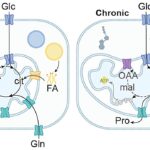
Summary of purification process: water polluted by microplastics (PET); addition of magnetic nanoparticles functionalized with polydopamine and lipase; removal of nanoparticles with microplastics using a magnet.
Researchers at the University of São Paulo (USP) in Brazil have developed a novel nanotechnology-based solution for the removal of micro- and nanoplastics from water. Their research is published in the journal Micron.
Tiny plastic particles are ubiquitous in the world today and may currently be one of the most important environmental problems, after the climate emergency and the accelerating extinction of species and ecosystems.
Microplastics are in the soil, water and air, and in the bodies of animals and humans. They come from everyday consumer goods and from wear-and-tear on larger materials. They are found everywhere and in every kind of environment. A major source is the water used to wash clothes made of synthetic fibers. Microplastics currently cannot be filtered out of wastewater and eventually penetrate the soil, water table, rivers, oceans and atmosphere.
Defined as fragments of up to 1 millimeter, microplastics proper are a well-identified and visible problem. Nanoplastics, however, are a thousand times smaller and are proving an even more insidious hazard, since they can pass through key biological barriers and reach vital organs. A recent study, for example, detected their presence in the human brain.
“Nanoparticles aren’t visible to the naked eye or detectable using conventional microscopes, so they’re very hard to identify and remove from water treatment systems,” said Henrique Eisi Toma, a professor at the Institute of Chemistry (IQ-USP) and last author of the Micron article.
Photo credit: Henrique Eisi Toma
By FAPESP
Article can be accessed on: phys.org