Structure and specificity of the colibactin-DNA interstrand cross-link.
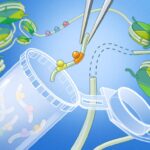
Colibactin is a potent and highly unstable toxin produced by certain strains of Escherichia coli and other gut bacteria. It is known to cause DNA mutations linked to colorectal cancer, but its instability has made it challenging to study. Researchers in the U.S. have now determined exactly how colibactin attacks DNA by using advanced analytical tools, including mass spectrometry and nuclear magnetic resonance spectroscopy. To overcome the toxin’s rapid breakdown, they grew colibactin-producing bacteria directly next to DNA strands, allowing them to capture the toxin’s effects immediately.
The scientists discovered that colibactin targets DNA sequences rich in adenine and thymine bases. Its mode of attack involves forming an interstrand cross-link, a bridge-like structure that binds the two DNA strands together. This permanent damage prevents cells from properly reading or copying their genetic material, ultimately causing mutations associated with cancer development. They also found that the toxin attacks the minor groove of DNA, the narrower region where the DNA backbones are closest. This specificity is driven by colibactin’s unstable, positively charged core, which is naturally attracted to the negatively charged, AT-rich minor groove.
Understanding the structure of the DNA cross-link and the mechanism of damage may support the development of diagnostic tools, therapeutic strategies to neutralize colibactin, and potential approaches to reduce cancer risk.
Image Credit: Science (2025). DOI: 10.1126/science.ady3571 (MedicalXpress)