Scientists at Massachusetts General Brigham have developed a customised gene-editing therapy that could offer hope for children with multisystemic smooth muscle dysfunction syndrome (MSMDS), a rare and often fatal condition. MSMDS is typically caused by a mutation in the ACTA2 gene, which disrupts smooth muscle function. This leads to life-threatening complications such as aortic dissection, stroke, and neurodegeneration, with most patients dying in childhood.
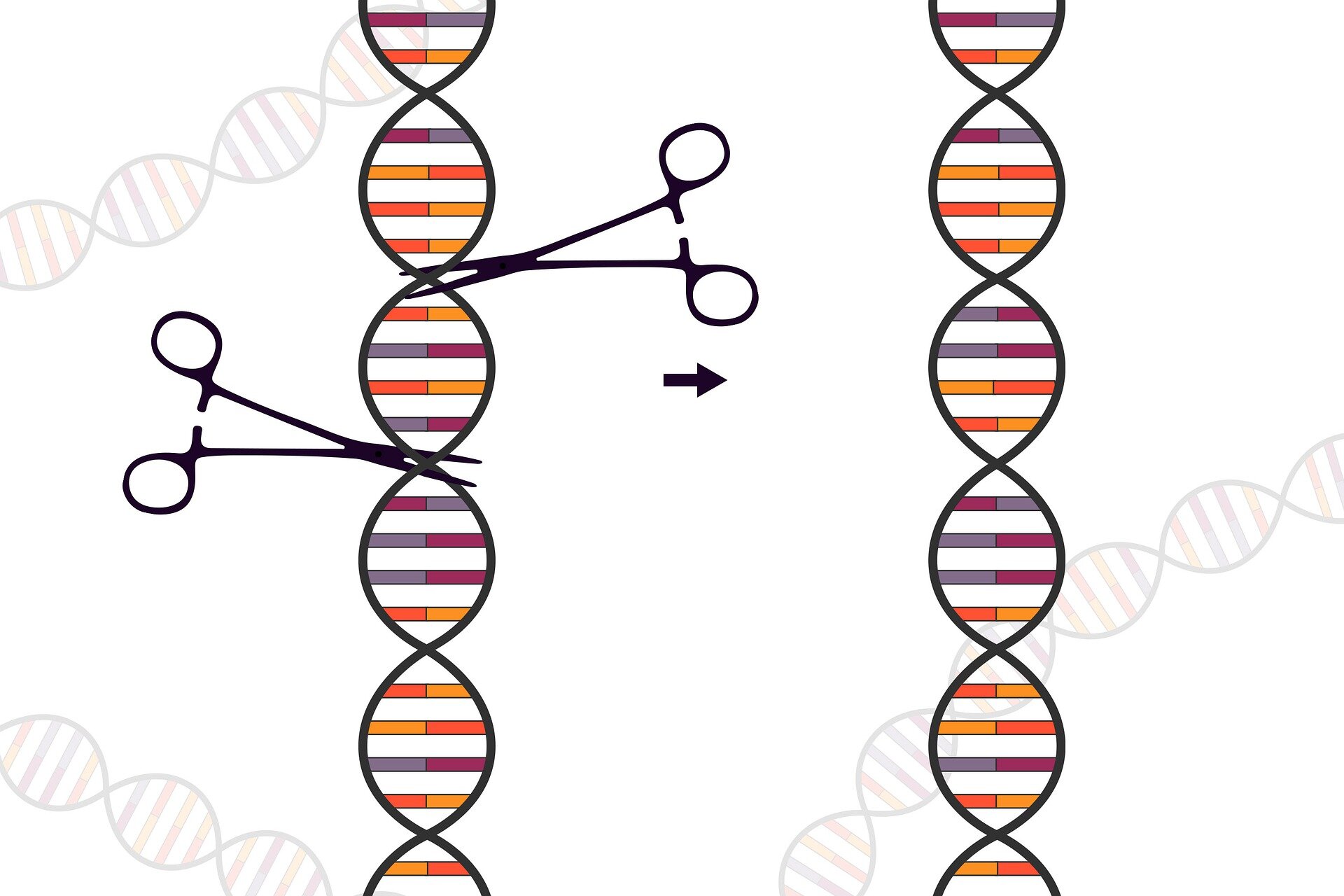
To address this, the researchers designed a base-editing system that combines CRISPR-Cas9 with a DNA-modifying enzyme to correct the single-letter mutation. Initial attempts reduced disease severity but also introduced unintended DNA changes. To improve accuracy, the team systematically tested dozens of engineered base editors with custom Cas9 proteins, ultimately identifying a version that corrected the mutation while minimising off-target effects. In mouse models engineered to carry the human ACTA2 mutation, a single dose of this optimized editor, delivered through a viral vector targeting vascular smooth muscle, produced significant benefits. Treated mice lived about four times longer, showed reduced vascular disease and neurodegeneration, and improved physical function.
The team is now working with the U.S. Food and Drug Administration (FDA) to advance toward an Investigational New Drug application. MSMDS has also received “rare disease” designation, which may accelerate development. While this therapy is still experimental, the researchers note that similar strategies could one day be applied to other vascular conditions, including Marfan syndrome, Loeys-Dietz syndrome, and even atherosclerosis.
Image credit: Pixabay/CC0 Public Domain
Article can be accessed on: Medical Express