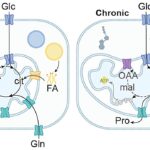
The machine learning model was able to predict the aggressiveness of certain types of tumors based on specific proteins.
The machine-learning model can predict the aggressiveness of certain tumors by identifying specific proteins. It generates a stemness index ranging from zero to one, with zero indicating low aggressiveness and one indicating high aggressiveness. As the index increases, the cancer tends to become more aggressive and resistant to drugs and more likely to recur.
The degree of stemness indicates how closely tumor cells resemble pluripotent stem cells, which can transform into almost any type of cell in the human body. As the disease progresses, malignant cells become less and less similar to the tissue from which they originated. These cells self-renew and exhibit an undifferentiated phenotype.
The scientists developed the tool using data sets from the Clinical Proteomic Tumor Analysis Consortium (CPTAC) for 11 types of cancer. They then developed the protein expression-based stemness index (PROTsi). They analyzed more than 1,300 samples of breast, ovarian, lung (squamous cell carcinoma and adenocarcinoma), kidney, uterine, brain (pediatric and adult), head and neck, colon, and pancreatic cancers.
Photo credit: Tathiane Malta / USP
Article can be accessed on: MedicalXpress