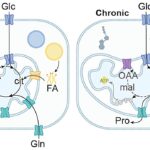
Scientists have identified a genetic link to chronic pain that may help guide the development of more precise treatments. By analysing large-scale datasets, including the UK Biobank and FinnGen, they found that a variant of the gene SLC45A4 is associated with increased reports of pain. The gene encodes a neuronal polyamine transporter, a protein that regulates the movement of polyamines in and out of nerve cells.
Professor David Bennett from the Nuffield Department of Clinical Neurosciences and Professor Simon Newstead from the Department of Biochemistry at the University of Oxford led the work that revealed the transporter’s three-dimensional structure using cryo-electron microscopy. They confirmed its role in maintaining polyamine balance and showed that it is most abundant in the dorsal root ganglion, a cluster of sensory neurons that detect painful stimuli. To explore the gene’s function, they studied mice lacking SLC45A4. These animals exhibited reduced sensitivity to painful stimuli, supporting the idea that the transporter plays a key role in pain signalling. While mouse models do not fully replicate human biology, the shared fundamental mechanisms strengthen the relevance of these findings.
The study highlights SLC45A4 as a potential molecular target for developing new treatments for chronic pain. Unlike opioids, which act broadly on the nervous system and carry risks of dependence and adverse effects, targeting this transporter may provide a more specific and safer approach.
Image credit: Nature (2025). DOI: 10.1038/s41586-025-09326-y
Article can be accessed on: Medical Express