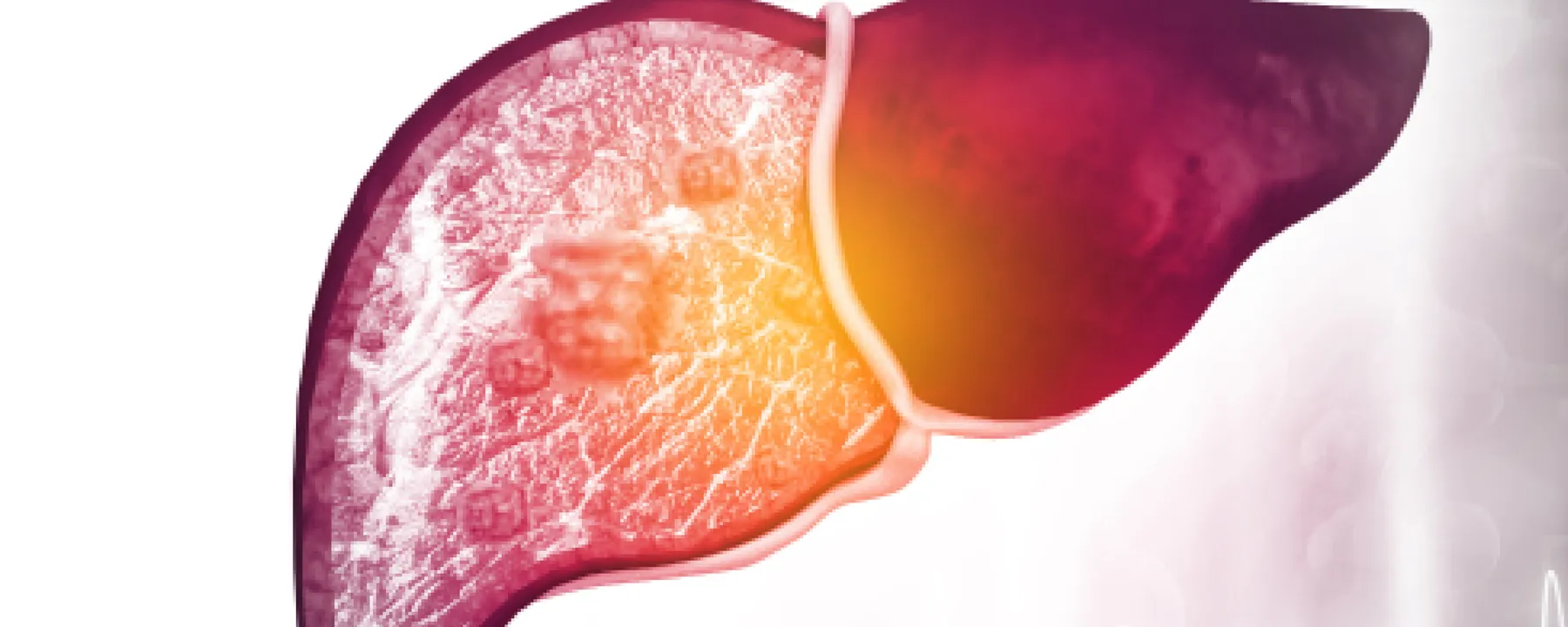
Macrophages are immune cells that help protect the liver from infection. However, when liver cells accumulate fat, these macrophages can become activated and contribute to metabolic dysfunction-associated steatotic liver disease (MASLD).
MASLD ranges from metabolic dysfunction-associated steatosis (MASL), characterised by fat accumulation, to metabolic dysfunction-associated steatohepatitis (MASH), which involves chronic inflammation and fibrosis. MASH can progress to cirrhosis and liver cancer and may ultimately require a liver transplant. To examine how liver macrophages change as MASL progresses to MASH, researchers at KU Leuven, UZ Leuven and Newcastle University analysed human liver samples using spatial multi-omics, single-nucleus RNA sequencing and functional assays. The study was published in Nature Genetics.
The researchers identified eight transcriptionally distinct macrophage groups, including metabolically active macrophages, or MetMacs. As disease progressed, Kupffer cell numbers declined while MetMacs increased. In MASH samples, MetMacs showed increased expression of genes linked to inflammation and interactions with other liver cells. Spatial transcriptomics showed that macrophages near fat-accumulating liver cells had high expression of glycoprotein NMB (GPNMB). Most GPNMB-positive cells belonged to the MetMac group, and their proportion increased between MASL and MASH. Proteomic analysis of independent samples supported these findings.
The team also observed that interleukin-32 expression in liver cells increased alongside GPNMB-positive macrophages as MASLD progressed. Analysis of independent omics datasets identified macrophage and serum protein markers associated with disease stage. These markers could help classify patients and improve patient selection for clinical trials. The findings reveal greater spatial and metabolic diversity among liver macrophages than earlier models suggested.
_________________________________________________________________________________________________________
The article can be accessed on: The Scientist
Image Credit: The Scientist © iStock.com, Rasi Bhadramani