
Newsroom







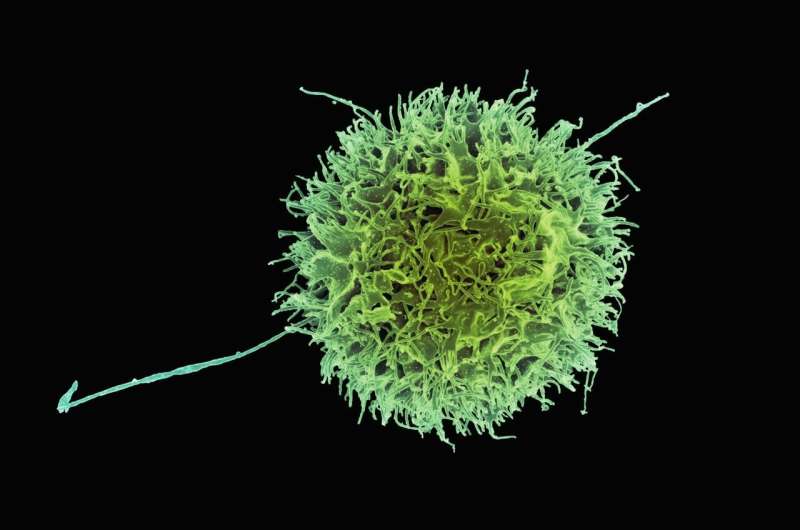
Researchers at the University of Texas MD Anderson Cancer Center have developed a genome-wide CRISPR screening tool named PreCiSE to identify gene targets that enhance the efficacy of chimeric antigen receptor (CAR) natural killer (NK) cell therapies. The study,...

Researchers at the Icahn School of Medicine at Mount Sinai have developed a method that combines artificial intelligence (AI) with routine laboratory tests to evaluate disease risk in individuals with rare genetic variants. Traditional genetic studies often provide...

Researchers at the Wisconsin Institute for Discovery have developed a computational tool named Tree-Guided Integrated Factorization (TGIF) to model the three-dimensional (3D) folding of DNA within the cell nucleus. This method utilizes matrix factorization, a machine...
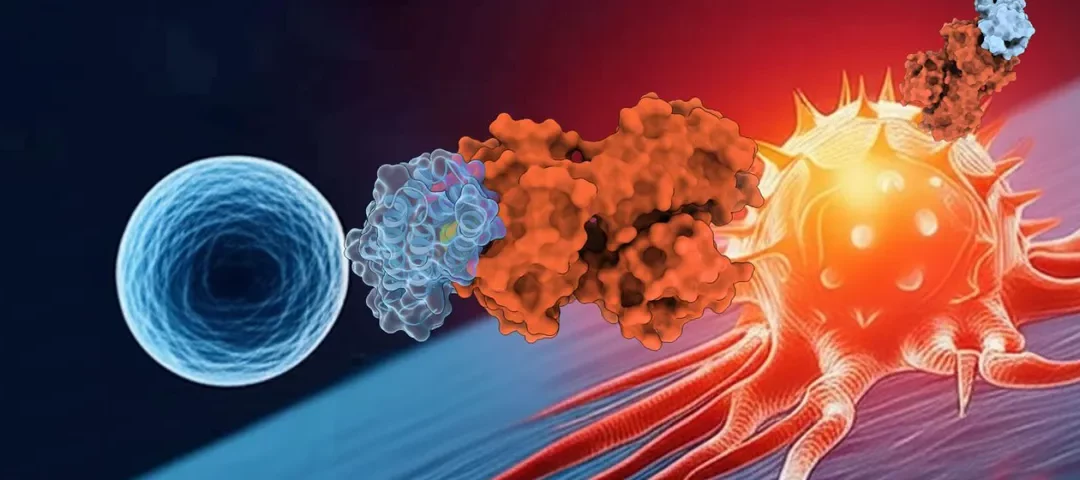
Artificial intelligence-generated “minibinder” protein enhanced T cell binding to and killing of cancer cells. Cancer immunotherapies largely depend on T cells, which recognise cancer antigens via their receptors interacting with the major histocompatibility complex...
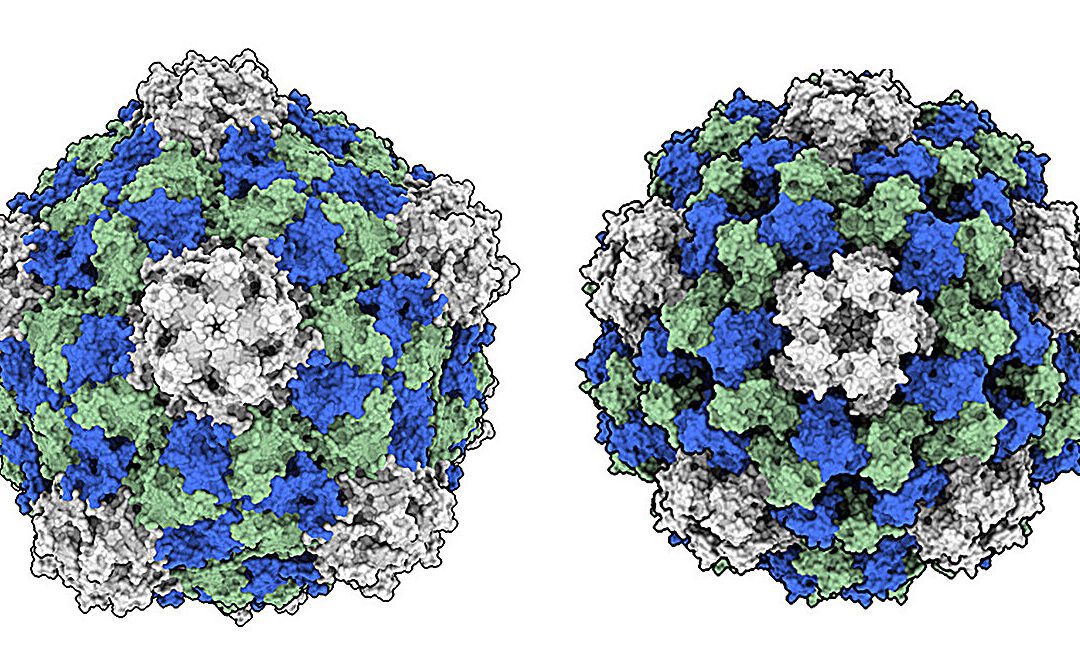
Side-by-side illustration of the cowpea mosaic virus (CPMV, left), which has potent cancer-fighting effects, and the closely related cowpea cholorotic virus (CCMV, right), which does not exhibit anti-tumour effects. In a study published in Cell Biomaterials,...

Researchers at the Hospital for Sick Children in Toronto report that targeted RNA sequencing can detect clinically actionable alterations in 87% of tumors, offering decisive results when DNA sequencing is inconclusive. While DNA-based methods dominate molecular cancer...
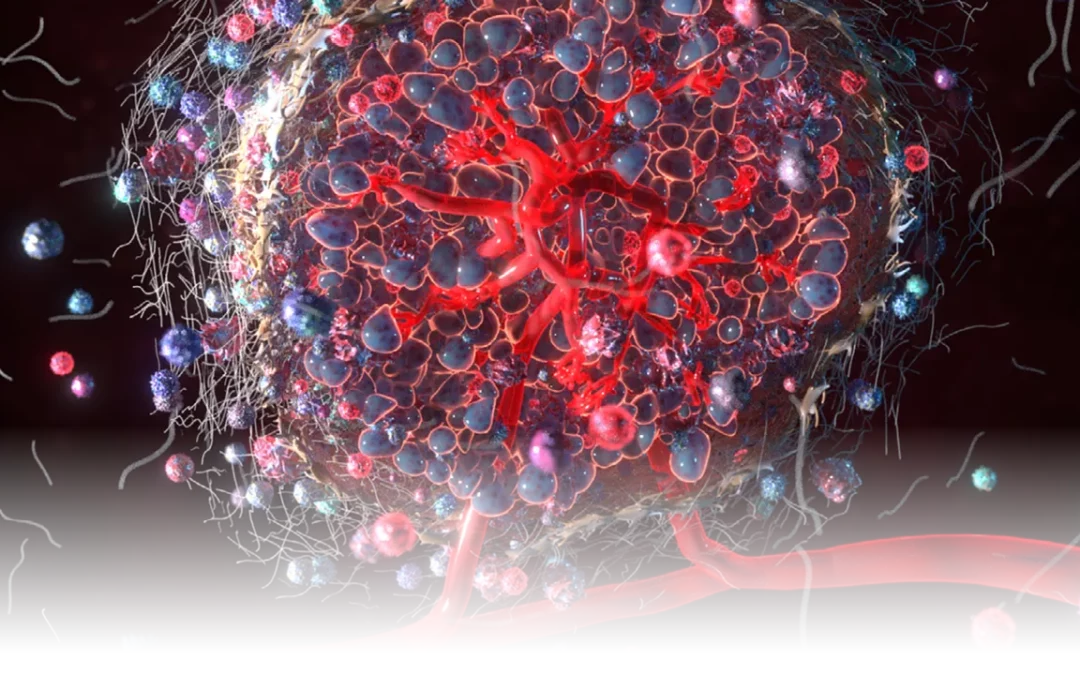
Chimeric antigen receptor (CAR) T cell therapy harnesses the patient’s immune system to target and destroy cancer cells, offering hope for blood cancers such as leukemia and lymphoma. However, its application in solid tumors has faced significant challenges. In an...

The machine learning model was able to predict the aggressiveness of certain types of tumors based on specific proteins. The machine-learning model can predict the aggressiveness of certain tumors by identifying specific proteins. It generates a stemness index ranging...

A new type of gene drive can render mosquitoes resistant to malaria infection. Mosquito larvae carry naturally occurring variants of the FREP1 gene that are either susceptible (pink or yellow) or refractory to parasite infection (blue). From insecticides to vaccines,...

Comprehensive analysis of blood stem cells: Using advanced FACS sorting and innovative low-input methods, blood stem cells (HSPCs) and their progenitors were isolated from human bone marrow and examined under different age and disease conditions. By integrating...