
Newsroom





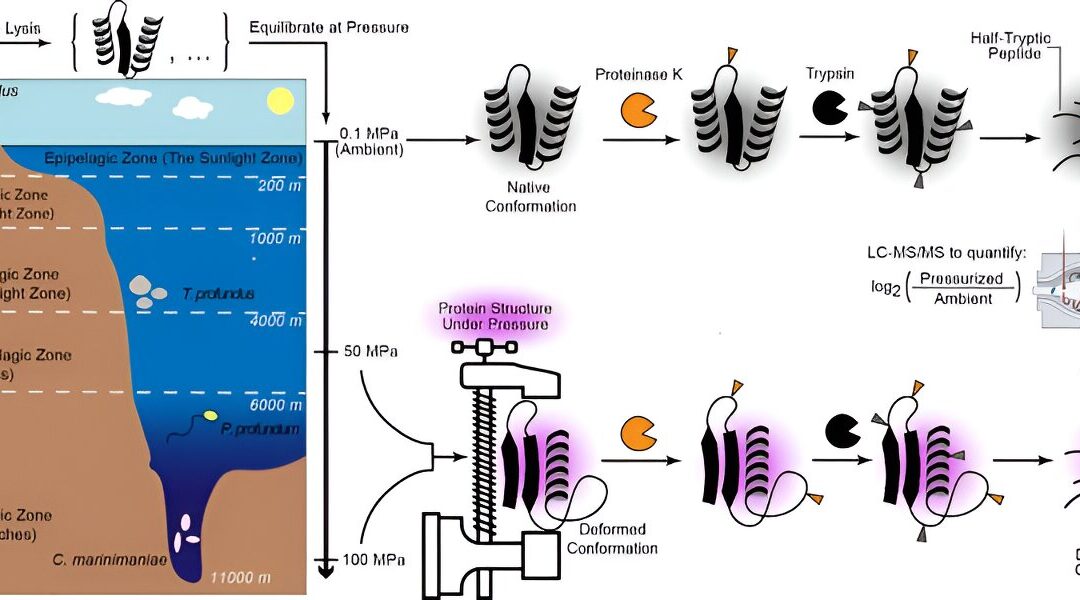
High-pressure limited proteolysis (Hi-P LiP) deeply interrogates protein structure under pressure. An assist from a Google Artificial Intelligence tool has helped scientists discover how the proteins of a heat-loving microbe respond to the crushing conditions of the...
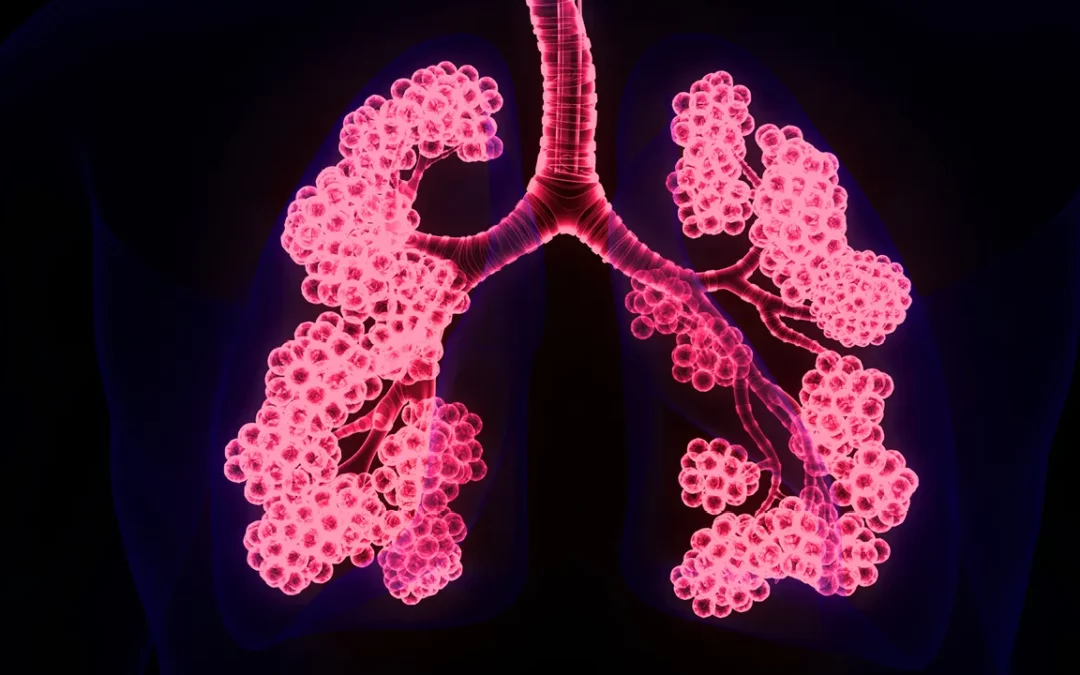
Researchers used a new and improved prime editing system to correct the gene mutation responsible for a majority of cystic fibrosis cases. In cystic fibrosis (CF), patients’ organs become overwhelmed by thick mucus, which affects breathing and can result in serious...
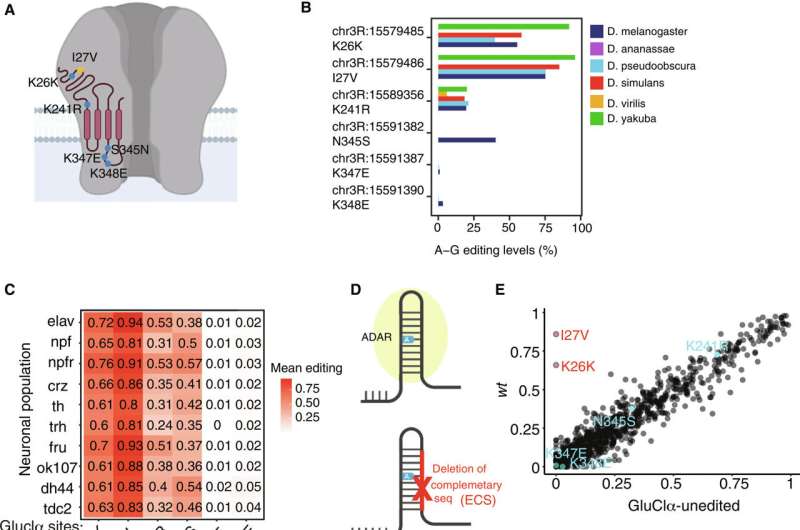
The recoding of Ile to Val is conserved across Drosophila species. Imagine your DNA as a set of instructions or a recipe book that tells your body how to make everything it needs to function, from proteins to cells. Every time the body needs to build something, it...

Scientists used nanovials (grey) lined with antibodies to capture single mesenchymal stem cells (green) and measure their secretion of extracellular vesicles (magenta). With the power of self-renewal and multipotency, mesenchymal stem cells (MSCs) offer the...

Engineering ocRNAs and icRNAs. New methods to shape RNA molecules into circles could lead to more effective and long-lasting therapies, shows a study by researchers at the University of California San Diego. The advance holds promise for a range of diseases, offering...
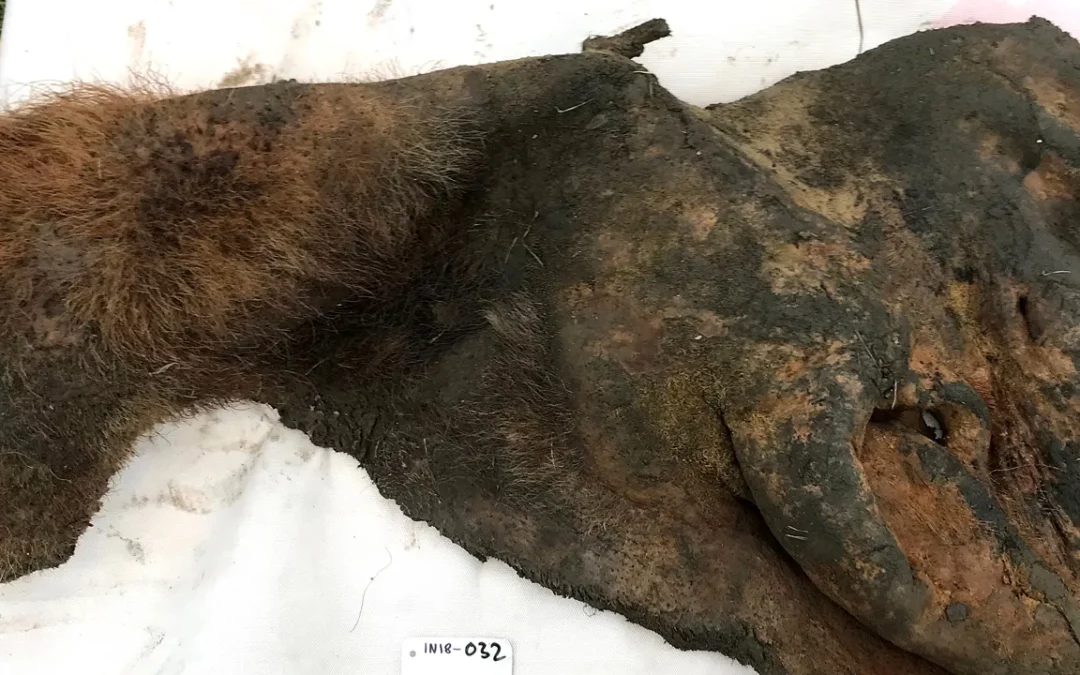
Researchers discovered a well-preserved skin sample from a 52,000-year-old woolly mammoth and reconstructed the ancient genome. Over time, DNA can degrade into numerous short fragments that wiggle around. Eventually, the chromosome loses its original structure and...

Design strategy for building switchable oligomers. A team of biochemists at the University of Washington has developed a means for engineering proteins that can transition between assembly and disassembly via allosteric control. In their paper published in the...

Researchers found that mechanically labile proteins overtake stiff ones en route into the nucleus, leading them to design a flexible tag for rigid proteins to accelerate their delivery. Rush hour never ceases at the nucleus’ border. Gene products begin their lives in...

The oligocyclotryptamines were originally isolated from Psychotria leaves in New Caledonia. MIT chemists have developed a new way to synthesize complex molecules that were originally isolated from plants and could hold potential as antibiotics, analgesics, or cancer...
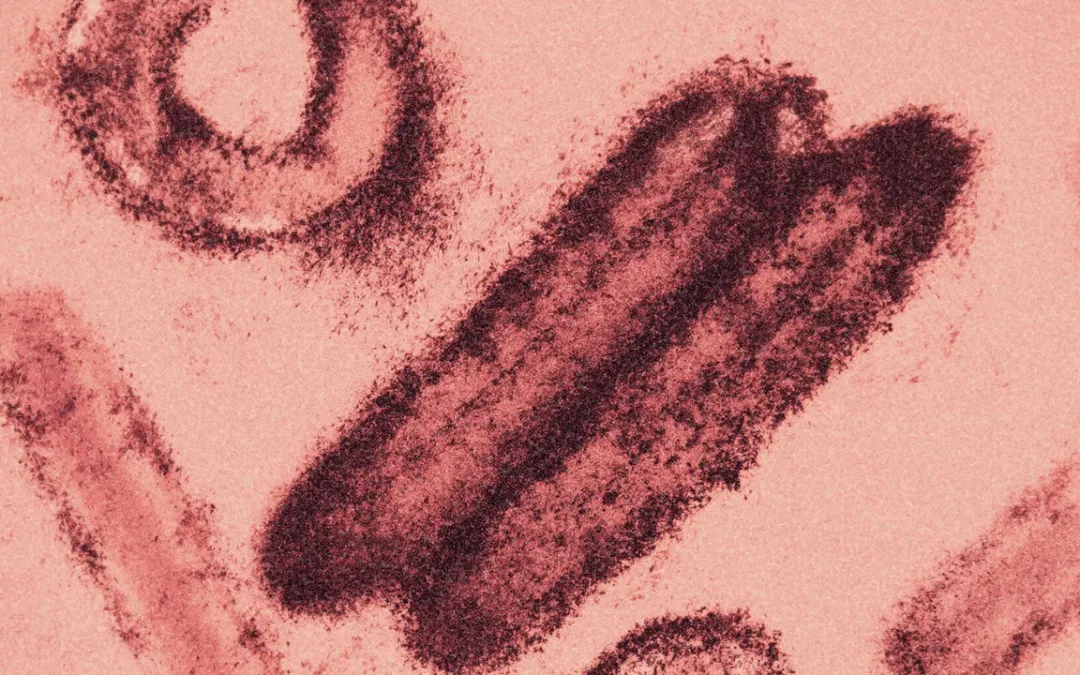
Marburg virus enters humans through bats. Researchers are now studying how macrophages infected with this virus respond to it. Hemorrhagic fevers caused by members of the filovirus family have high fatality rates but remain poorly understood. Scientists suspect that...