
Newsroom







By delivering mRNA to cells that encode therapeutic proteins along with a signal peptide, the proteins could be transported to the endoplasmic reticulum and then secreted into the bloodstream. A team of researchers has established a ribonucleic acid (RNA)-based method...
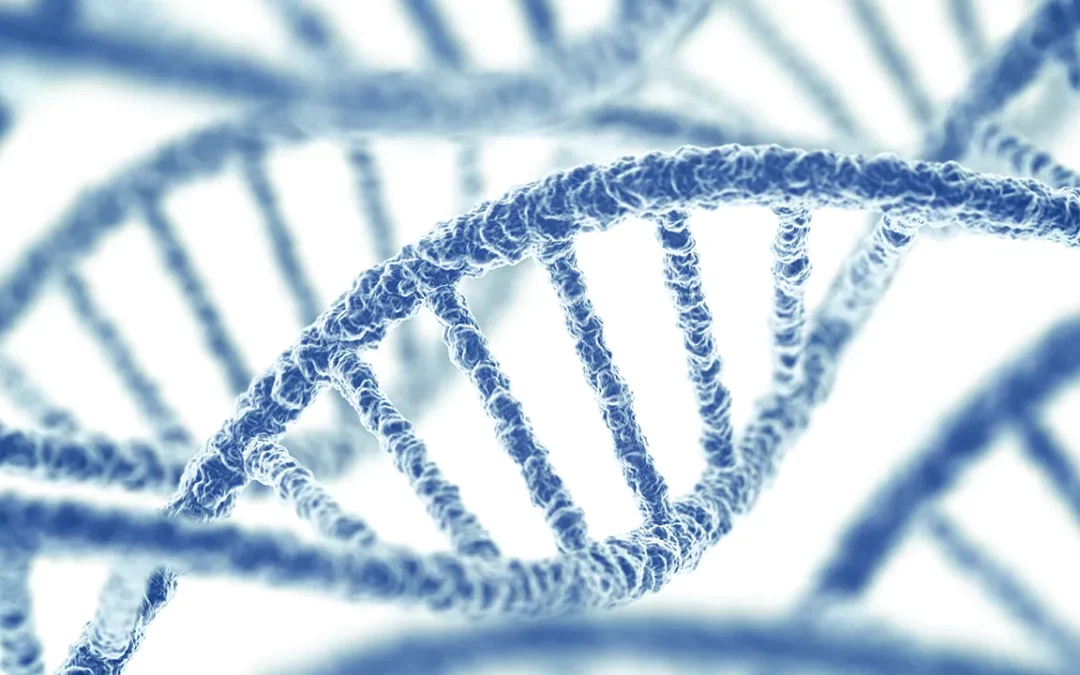
Richard Davis believes that STRAIGHT-IN, a new strategy for integrating large payloads into cellular genomes, can give scientists a powerful new tool. Targeted genomic editing made great strides in recent decades, especially thanks to the advent of endonuclease-based...
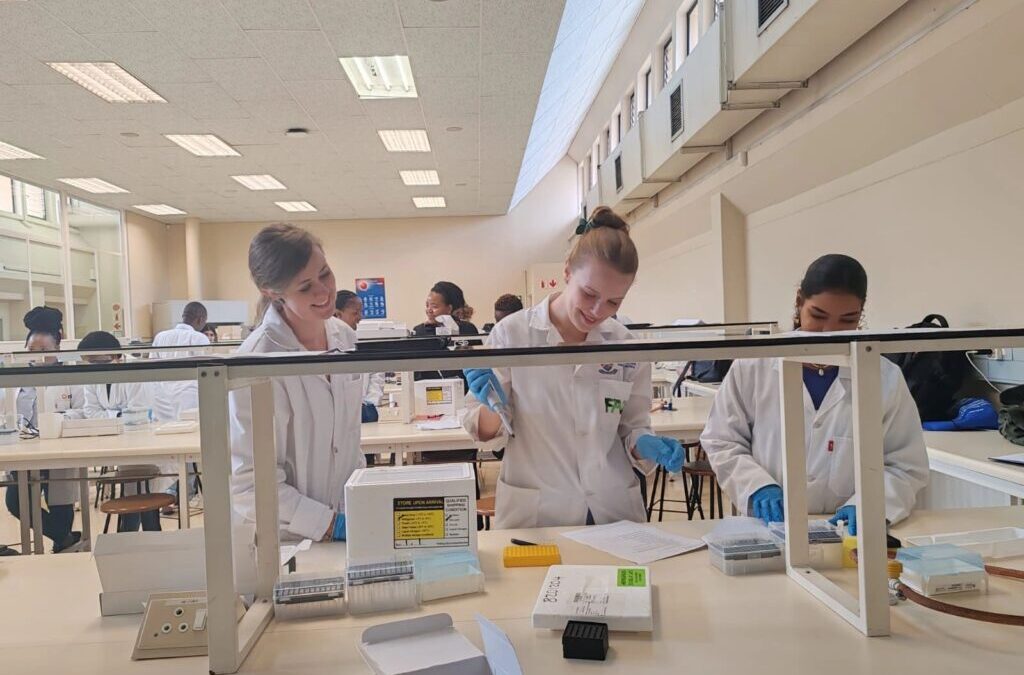
The University of Pretoria Genomics Laboratory (UPGL), in the Faculty of Natural and Agricultural Sciences, hosted a successful introductory workshop on quantitative Polymerase Chain Reaction (qPCR) from March 25-26, 2024. This event, held at UP’s Bio-Laboratories,...

A fingerprint may soon be all a doctor needs to check whether tuberculosis patients are taking their antibiotics, thanks to a new study led by the University of Surrey. The study is published in the International Journal of Antimicrobial Agents. Scientists...

A dying neuron damaged by tau protein. Tau is involved in Alzheimer's disease and other dementias. A new model in nonhuman primates is opening the possibility of testing treatments before extensive brain cell death and dementia set in. Research in nonhuman primates is...
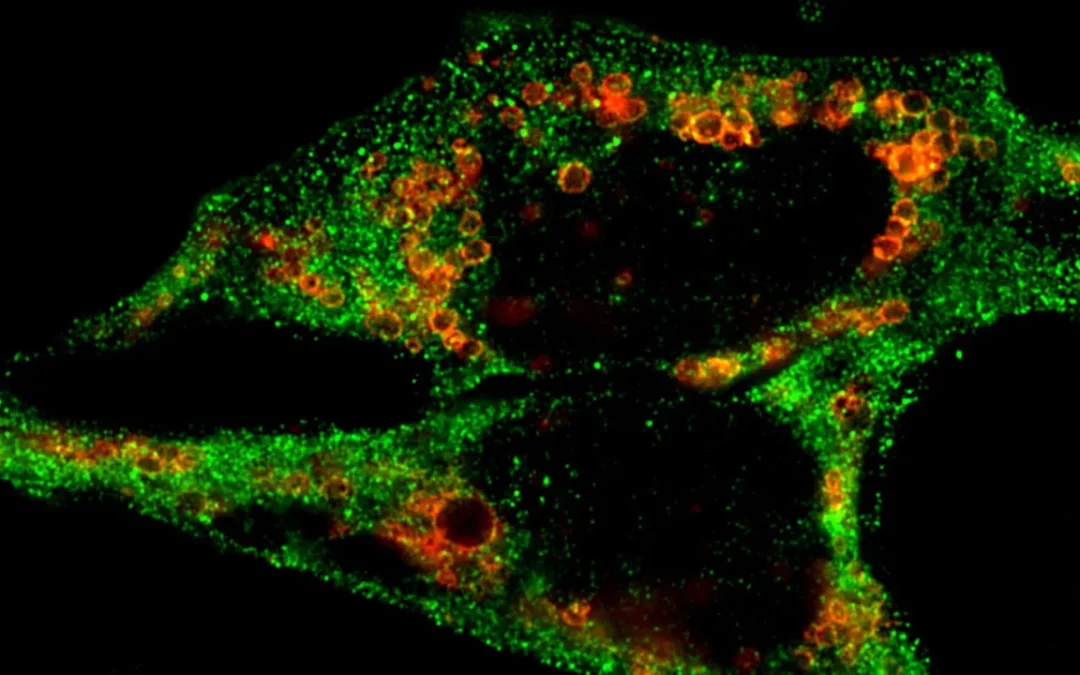
Researchers studied how the autophagy factor p47 limits cancer spread by deleting the gene from breast cancer cells. Cells perpetually produce mountains of waste, such as damaged proteins or haywire organelles, but they have evolved a sustainable recycling plan to...

Circular artificial chromosomes could help scientists create better models of human diseases or improve gene therapies. Synthetic chromosomes are ideal delivery systems for ferrying large sections of human DNA into cells. In contrast to viral vectors, human artificial...
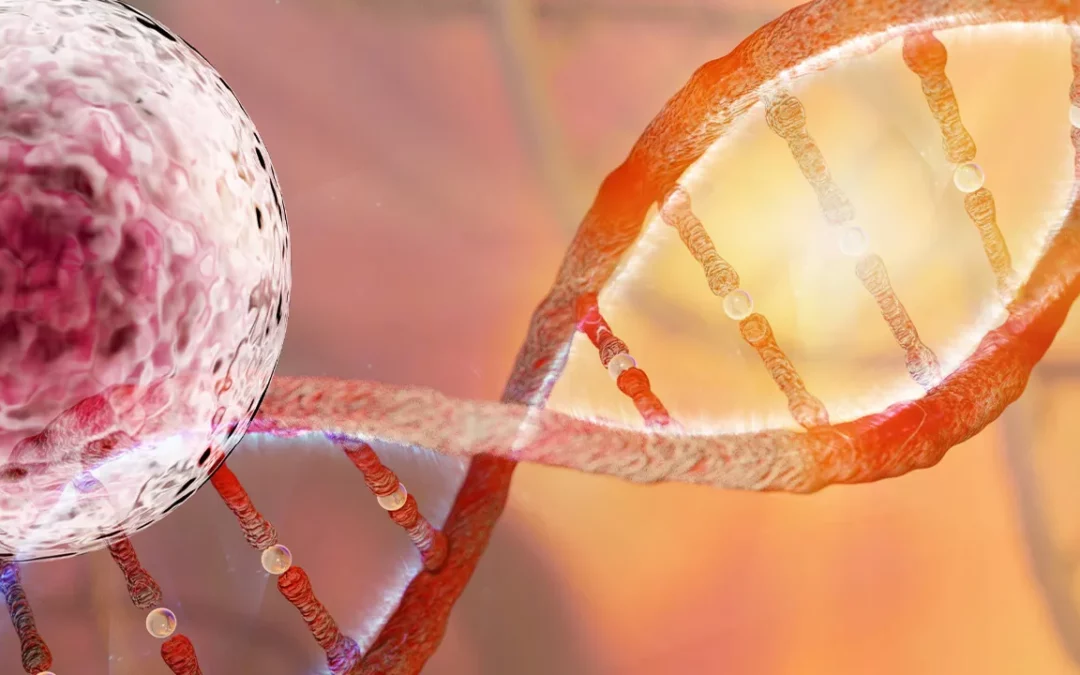
By uncovering the intricate relationship between gene expression and blood cell output from hematopoietic stem cells (HSC), scientists hope to improve therapeutic treatments involving donor HSC. Hematopoietic stem cells (HSC) are cellular factories that churn out...
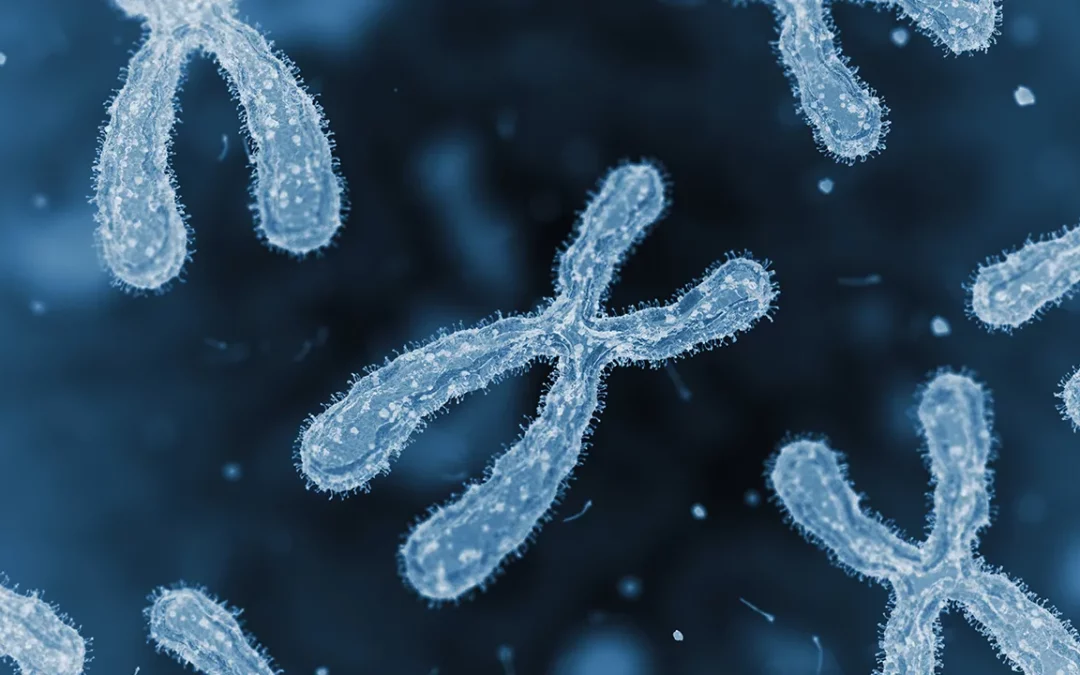
New research highlighted the vast genetic diversity in centromeres. When one cell becomes two, it must divide its chromosomes equally. To accomplish this feat, each chromosome comes equipped with a centromere. As a chromosome duplicates, the centromeres connect the...

CRISPR/Cas9 remains the most powerful tool to generate mutations in plant genomes. Studying the various combinations of mutations has significantly increased the scale of experimental setups, necessitating more space to grow numerous plants. Researchers from VIB-UGent...